
Article at a Glance
What does it mean that Arkansas ranks 45th for child well-being?
It means that when researchers measured 16 indicators of how children are doing across all 50 states (economic well-being, education, health, and family and community factors), Arkansas landed near the bottom. This is a comprehensive picture of what life looks like for kids in our state, and it deserves more than a passing glance.
Which kids in Arkansas are carrying the heaviest burden?
Poverty affects Arkansas children unevenly. Among Black children in Arkansas, 43% live below the poverty line, compared with 21% of children statewide. In the Delta and Coastal Plains regions, the child poverty rate is 36%. These disparities underscore the need to expand access to resources and opportunities so every child can thrive.
How does Arkansas compare to the rest of the country?
Not well, and it’s been that way for a while. Arkansas’s poverty rate of 15.7% is the 7th highest in the nation. The median household income sits about 25% below the national average, and 21% of Arkansas children live in poverty, compared to 16% nationally.
Is anything getting better?
Some things are. There are 13,000 fewer Arkansas children living in poverty than before the pandemic, and the overall child poverty rate has declined meaningfully over the past decade. That progress is great. But Arkansas has consistently ranked among the bottom 10 states for child well-being, and the families behind these numbers aren’t seeing the trend line improve. They’re experiencing it in their daily lives.
What can one person do about a problem this big?
More than most people think. Big problems don’t change through big gestures. Really, they change through consistent, community-level action from people who decide to show up. Giving to programs that reach kids directly and volunteering in communities with the greatest need move the needle in ways that add up over time.
Most people in Arkansas care deeply about the kids in their communities. They want children to be healthy, have what they need, and grow up with opportunities ahead of them. That desire is genuine, and it’s why understanding where Arkansas stands matters so much.
Arkansas ranks among the bottom five states for child well-being, reflecting how children in our state are doing across 16 indicators, from economic well-being and education to health and family stability. It offers a broad view of what childhood looks like in Arkansas today, and it tells an important story.
Progress is happening, and people across this state work hard every day to change things. But 144,000 Arkansas kids are living in poverty, and the families behind that number deserve a community that understands the full picture and shows up to help. That’s what we’re here to help with.
What 45th Looks Like
Beyond the overall ranking, specific numbers show where Arkansas stands:
- Arkansas ranks 45th in economic well-being and 47th in child health
- 15.7% state poverty rate, 7th highest in the nation
- Median household income is about 25% below the national average
- 21% of Arkansas children live in poverty, compared to 16% nationally
- 144,000 Arkansas kids are currently living in poverty
- 17,000 Arkansas teens are neither working nor in school
These aren’t just statistics for a policy report. They’re the backdrop to daily life for many Arkansas families, and understanding them is the first step toward doing something about them.
The Kids Carrying the Most
Poverty affects Arkansas children unevenly. Among Black children in Arkansas, 43% live below the poverty line, compared with 21% of children statewide. In the Delta and Coastal Plains regions, the child poverty rate is 36%. These disparities underscore the need to expand access to resources and opportunities so every child can thrive.
Geography plays a role too. Rural Arkansas communities face limited access to employment, healthcare, and consistent resources that help families move forward. A child growing up in one of Arkansas’s 14 counties with persistent poverty faces a fundamentally different set of circumstances than a child in a more resource-rich part of the state, and the ranking reflects that reality, even when it can’t fully capture it.
What the Numbers Ask of Us
“When you understand what 45th means for a child growing up in Arkansas, it changes how you show up. It changes what you give, where you volunteer, and how you talk about the people around you. That’s why we share these numbers, not to discourage, but to move people toward action.”
— Drew Davis
The Progress and the Gap That Remains
It’s easy to read a ranking like 45th and assume nothing is working, but that’s not the full picture.
There are 13,000 fewer Arkansas children living in poverty than before the pandemic. The overall child poverty rate has declined meaningfully over the past decade. Organizations across the state are showing up consistently, communities are investing in long-term support, and the numbers have slowly moved. That progress is great, and the families it has reached deserve every bit of it.
However, progress and need coexist. The honest response to both is to acknowledge what’s working while refusing to be satisfied with it. Arkansas kids deserve a state that keeps moving, investing, and showing up until the ranking reflects what they deserve.
What This Means for Arkansas Families Now
Behind the 45th ranking are families that look a lot like the ones Every Arkansan has walked alongside. A single mom doing everything right until one unexpected setback unraveled the stability she’d spent years building. A dad who loved his kids deeply but couldn’t find his way back to them without someone willing to walk beside him. A 12-year-old boy who showed up to school every day and ended up in the emergency room with malnutrition, because the resources his body needed simply weren’t there.
This is what 45th looks like up close. The ranking matters because it tells us the need is widespread. But the families behind it show why showing up matters. Every Arkansan is here to be that kind of presence for families across Central Arkansas, one at a time, for as long as it takes.
What Every Arkansan Is Doing About It
A 45th-place ranking is a starting point for what a community decides to do together.
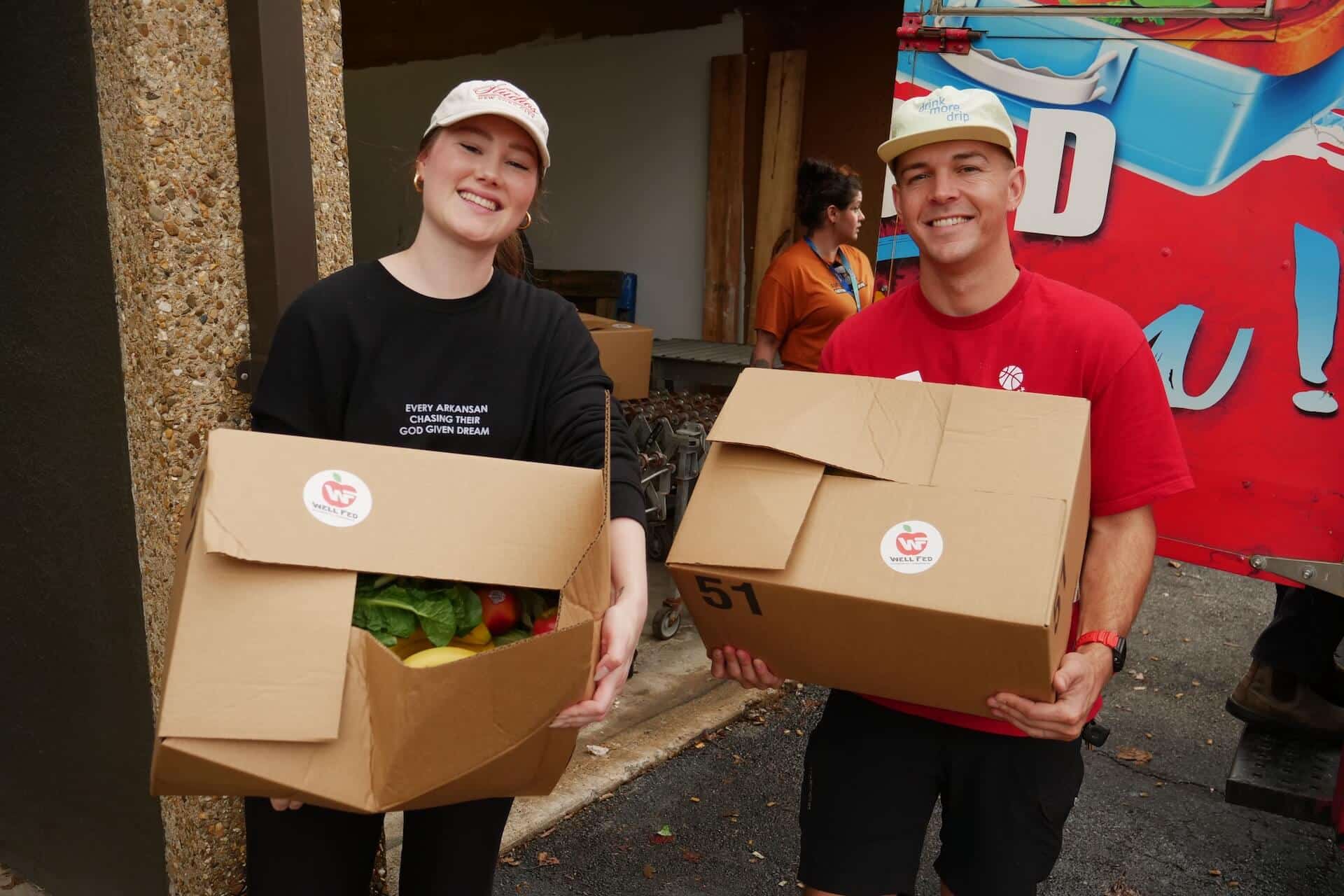
Every Arkansan exists because the numbers demand a response, like meals that reach kids directly and after-school programs that give children a safe place to grow.
None of it changes the ranking overnight, but it’s how a number like 45th starts moving. Not through a single solution, but through a community that refuses to look at the need and walk away.
Here’s how you can be part of what changes it:
Give. Your support funds the meals, programs, and relationships that reach Arkansas kids and families directly. Consistent monthly giving creates the stability our work needs, and the stability our families deserve.
Volunteer. Show up in person and be part of the hands-on work that makes a difference. Serve Saturday is the easiest place to start, and one of the most meaningful ways to spend a morning.
Share this. Most people don’t know where Arkansas ranks or what it means for families. Changing that starts with sharing this, because awareness moves people from knowing to doing.
Arkansas kids deserve better than 45th, and the people who will change that are the ones who decide to show up for them!
Free Family Devotional: Empower Kids to Love Your Neighbor
Raising kids who care starts with showing them what caring looks like. This free family devotional gives you simple, practical ways to bring your family together around something that really matters — loving the people right around you.