
Poverty Is More Than a Number
The federal poverty line tells you what a family earns. It doesn’t tell you what it feels like to choose between gas and groceries, or to have no one to call when everything falls apart.
The Need Here In Arkansas
People facing hunger in Arkansas are estimated to report needing $402,603,000 more per year to meet their food needs.
1 in 5 people face hunger
1 in 4 children face hunger
466,000+ people are living below the poverty line
What the Numbers Don’t Capture
Most people think of poverty as a financial problem with a financial solution, and resources do matter.
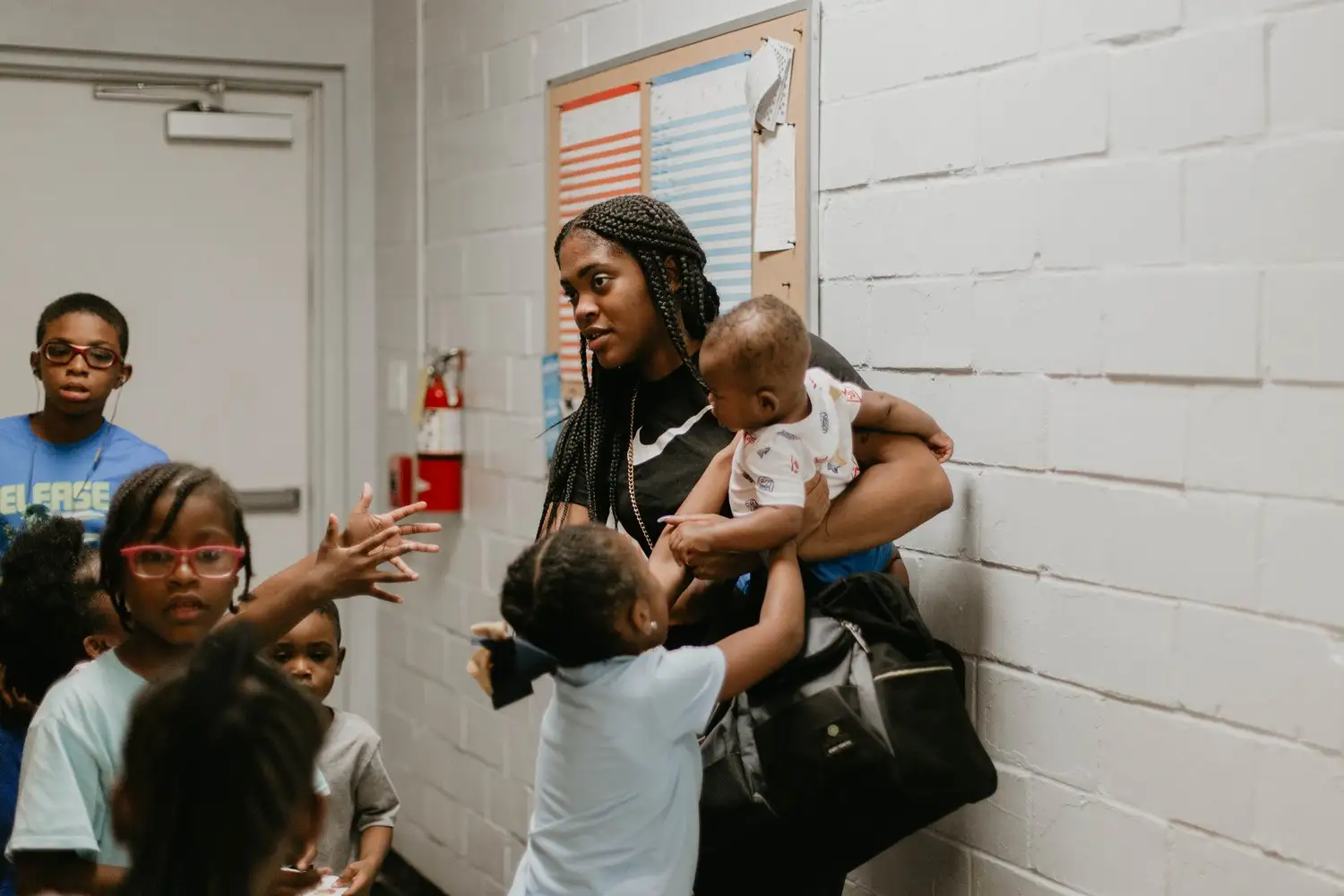
However, research and experience tell a more complicated story. The families facing the greatest hardship often lack something just as critical as income: people. A neighbor who can watch the kids, a friend who can co-sign a lease, or a mentor who’s been through it and knows the way out.
Poverty is what happens when someone runs out of both resources and relationships at the same time. That’s what makes it so hard to escape alone, and why community is at the center of everything we do.
Why Poverty Is So Hard to Escape
After years of walking alongside families in Central Arkansas, we’ve learned that poverty is almost never just one thing. It’s usually two.
Resources
The practical things life requires: money, food, stable housing, a reliable car, access to healthcare. When these run out, there’s no margin. One unexpected expense can unravel everything.
Relationships
The people who make it possible to get back up. A mentor, reference, or someone who picks up the phone. Research shows that economic mobility is far more likely when people have strong community ties instead of just financial ones.
The Families Behind the Stats
These are four of the families Every Arkansan has had the privilege of walking alongside. They’re examples of what’s happening every day in Central Arkansas, and what becomes possible when a community decides to show up.
David
David came home from incarceration to an empty house, disconnected utilities, and a mountain of barriers. What he needed most was a community willing to show up and stay.
Lisa
Lisa never stopped pushing. She knew where she wanted to go. She just couldn’t get there alone. When the right support finally showed up, one door opened, then another, and another.
Marcus
Marcus loved his son through every hard season, but four years of unresolved legal issues had created a wall between him and the father he wanted to be. When he stopped running from his past, a community helped him find his way back.
Corey
Corey didn’t come to the EA Dads program with excuses. He came with honesty about what he was missing and what he was willing to do about it. What he learned changed how he shows up for his daughter and everyone around him.
One Next Step Is Enough
Understanding poverty is a fantastic start. Here are a few ways to take a next step, wherever you are.
Learn More
Talk About It
Give Your Time
Give Monthly
This Is What a Community Can Do
When people understand the problem and decide to act, things change. Families stabilize, kids thrive, and cycles break.
That’s happening here, and every person who joins makes it more possible for the next family.